


Lord of War Movie Poster
From $25.00
- All Australian orders for Art are Hand Made in Noosa, Australia (*International orders are printed overseas)
- We use 100% Cotton, textured canvas NOT the cheaper plastic looking, Poly-Cotton
- Free image manipulation such as removing red-eye, straightening horizons and lightening the image if needed
- Art is delivered ready to hang on the wall, straight to your door
- Carefully bubble wrapped and boxed to prevent damage in transit
- Free choice of 6 wrapping types
- Every canvas print is stretched by hand on a thick, 1.5” quality kiln-dried pine wood stretcher frame
- Protected with invisible spray UV laminate against fading in the harsh Australian climate, our art shouldn’t fade for up to 70 years!
The Canvas Prints Perth Difference
Related products
-

Apocalypse Now
Shop Now This product has multiple variants. The options may be chosen on the product page -
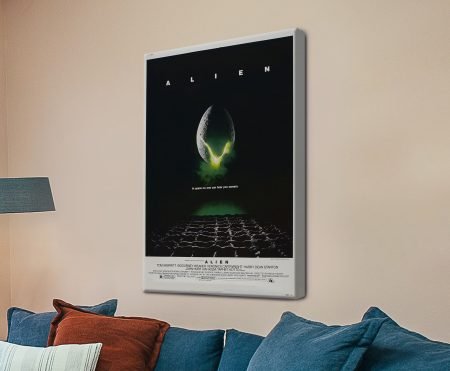
Alien Movie Poster
Shop Now This product has multiple variants. The options may be chosen on the product page -

Cool Hand Luke Film Poster
Shop Now This product has multiple variants. The options may be chosen on the product page -

Barbarella Movie Poster
Shop Now This product has multiple variants. The options may be chosen on the product page


The Lord of War movie poster, featuring Nicolas Cage in the lead role, captures the gritty essence of the 2005 film. Directed by Andrew Niccol, the movie explores the complex world of international arms dealing, with Cage portraying Yuri Orlov, a morally ambiguous character who rises to prominence in the global weapons trade. The poster itself evokes a sense of tension and moral conflict, encapsulating the film’s core themes of power, greed, and the human cost of war. The artwork often features a close-up of Cage’s stern expression, emphasising the cold, calculating nature of his character, surrounded by imagery of weapons, violence, and political intrigue.
In terms of design, the Lord of War poster typically combines stark contrasts and dark tones to reflect the film’s serious subject matter. The red and black colour scheme is often used to evoke a sense of danger and urgency, mirroring the chaos and destruction that follows Yuri’s actions. The imagery of guns, bullets, and international borders adds to the sense of global conflict, illustrating the far-reaching consequences of arms trafficking. The film’s tagline, “The only thing more dangerous than the people who buy your weapons is the people who sell them,” is prominently featured, reinforcing the narrative’s exploration of morality and power dynamics.
The film’s poster is not only a promotional tool but also serves as a visual representation of the moral ambiguity at the heart of the story. Cage’s portrayal of Yuri Orlov as both a victim and perpetrator of the arms trade is reflected in the poster’s somber tone. The minimalist design highlights the stark reality of the trade in weapons, with little room for the viewer to escape the implications of the story. It’s an artistic representation that invites contemplation, urging audiences to question the ethics of profit and survival in a world where arms dealers thrive amidst global conflict.
For collectors, the Lord of War movie poster offers more than just a piece of film memorabilia; it is a conversation starter, reflecting the film’s thought-provoking commentary on war and morality. Whether displayed in a personal collection or as a striking addition to a movie poster gallery, the artwork carries with it the weight of the film’s critical examination of the arms trade. This poster appeals to those with an interest in cinematic history, as well as those intrigued by the darker side of global politics, offering a unique glimpse into the world of weapons dealing as seen through the lens of a Hollywood thriller.
