
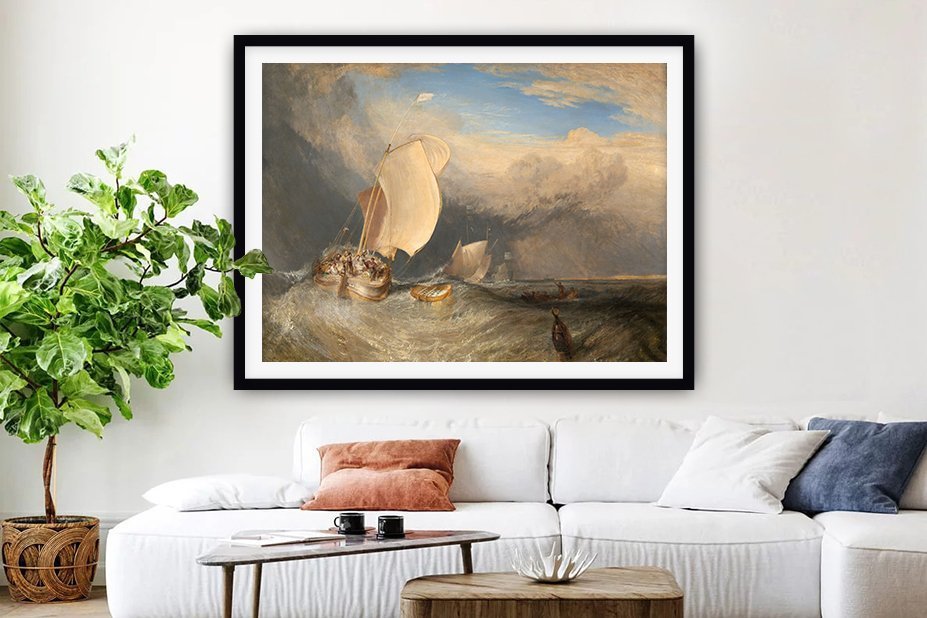



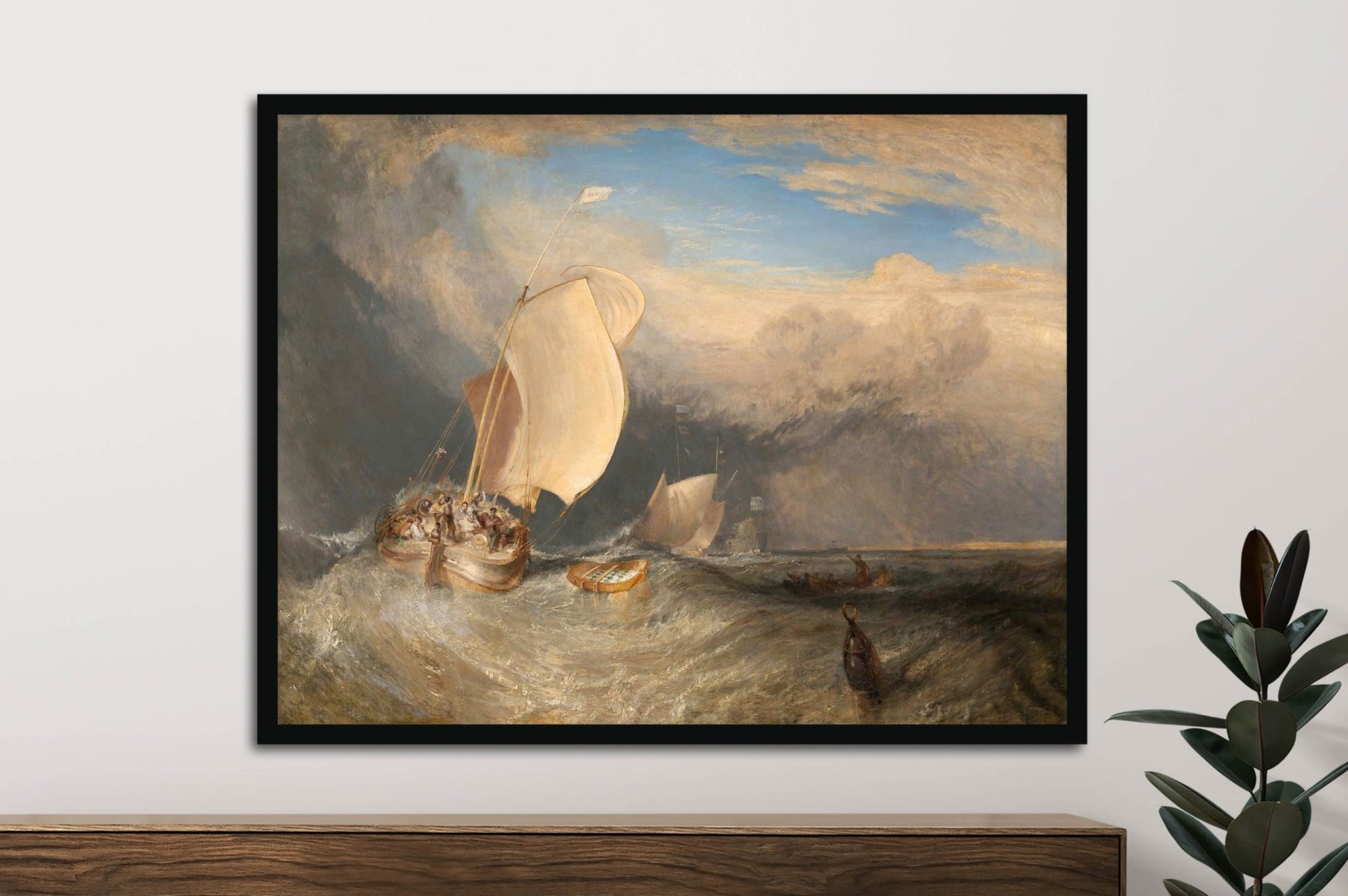
Fishing Boats by JMW Turner
From $25.00
- All Australian orders for Art are Hand Made in Noosa, Australia (*International orders are printed overseas)
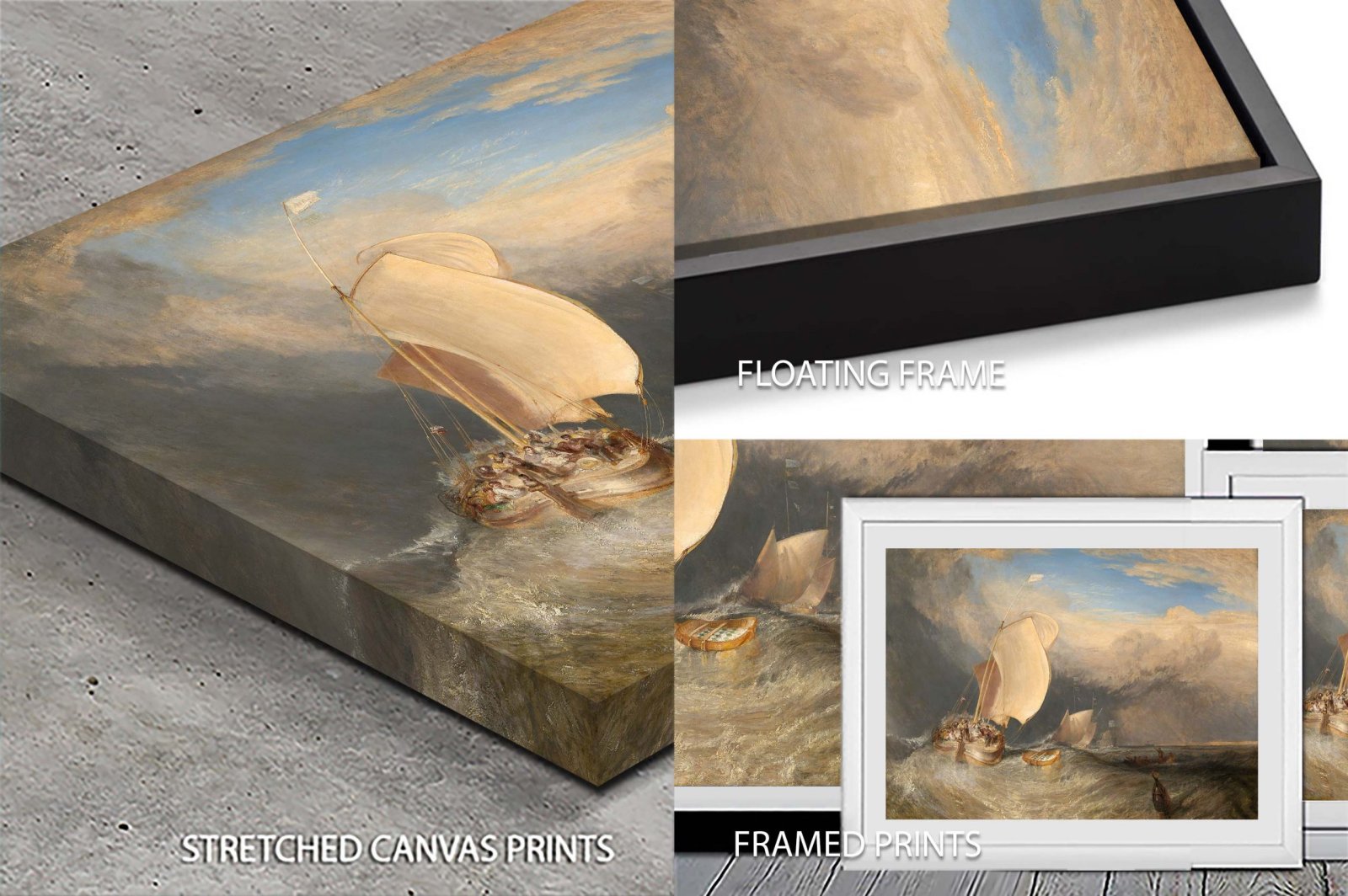
- We use 100% Cotton, textured canvas NOT the cheaper plastic looking, Poly-Cotton
- Free image manipulation such as removing red-eye, straightening horizons and lightening the image if needed
- Art is delivered ready to hang on the wall, straight to your door
- Carefully bubble wrapped and boxed to prevent damage in transit
- Free choice of 6 wrapping types
- Every canvas print is stretched by hand on a thick, 1.5” quality kiln-dried pine wood stretcher frame
- Protected with invisible spray UV laminate against fading in the harsh Australian climate, our art shouldn’t fade for up to 70 years!
The Canvas Prints Perth Difference
Related products
-

Crystal Waves
Shop Now This product has multiple variants. The options may be chosen on the product page -

Rocky Bay
Shop Now This product has multiple variants. The options may be chosen on the product page -

Perfect Sunrise
Shop Now This product has multiple variants. The options may be chosen on the product page -

Ocean Dreamscape
Shop Now This product has multiple variants. The options may be chosen on the product page


Joseph Mallord William Turner’s “Fishing Boats with Hucksters Bargaining for Fish” (1837–1838) is a masterful depiction of maritime life, capturing the dynamic interplay between human activity and the natural world. The painting portrays fishing vessels engaged in commerce, with hucksters negotiating for the day’s catch amidst a turbulent sea. Turner’s adept use of light and color conveys the movement of the waves and the energy of the scene, immersing viewers in the bustling atmosphere of the fishing industry.
The composition features a low horizon line, a technique Turner employed to emphasize the vastness of the sky and sea, drawing inspiration from 17th-century Dutch seascapes. However, Turner’s interpretation is uniquely his own, with a focus on the atmospheric effects and the transient nature of light. The sails of the boats are illuminated by a diffused light, contrasting with the darker, stormy sky, creating a sense of depth and drama.
Turner’s attention to detail is evident in the depiction of the figures aboard the boats, each engaged in the act of bargaining. The hucksters, with their animated gestures, add a narrative element to the painting, highlighting the human aspect of the maritime economy. The churning sea, rendered with vigorous brushstrokes, reflects Turner’s fascination with the power and unpredictability of nature.
Currently housed in the Art Institute of Chicago, this painting exemplifies Turner’s ability to blend realism with romanticism, capturing both the physical reality and the emotional essence of the scene. “Fishing Boats with Hucksters Bargaining for Fish” stands as a testament to Turner’s innovative approach to landscape painting and his enduring legacy in the art world
